
How Technology Is Redefining Fuel Efficiency in Maritime Operations
November 26, 2025
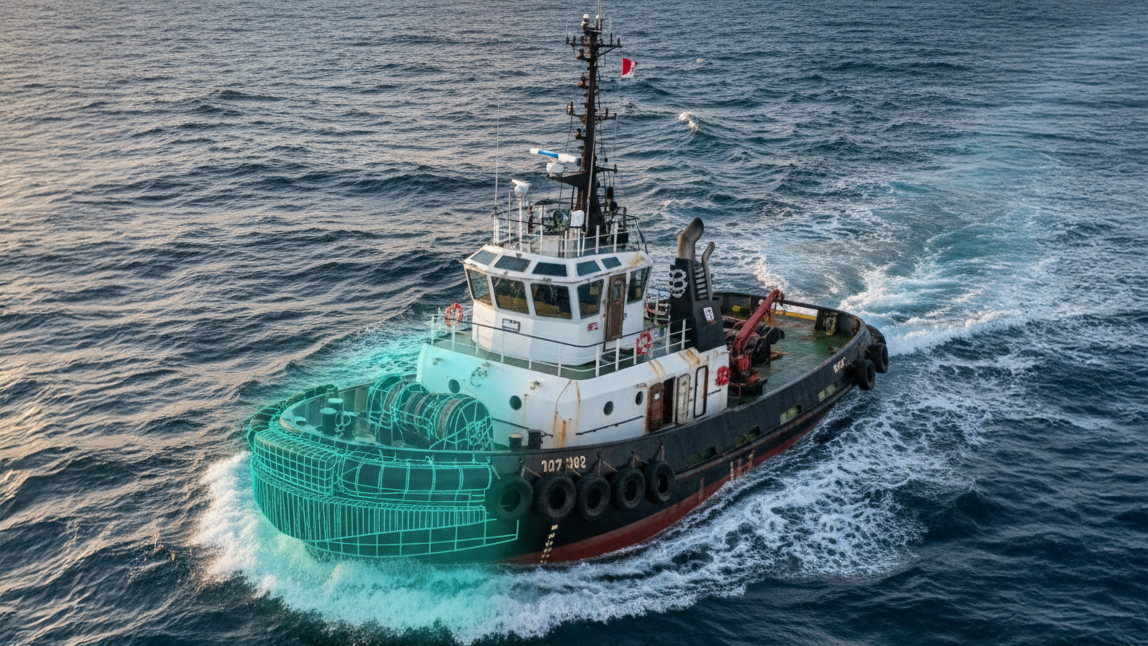
Fuel efficiency in the maritime industry measures how effectively a vessel converts fuel into transport work, moving cargo or passengers while minimizing waste. It’s a key indicator of both cost control and environmental performance.
With rising fuel prices and stricter regulations like the IMO’s Carbon Intensity Indicator (CII) and the EU Emissions Trading System (EU ETS), efficiency has become a financial and strategic priority.
It depends on factors such as vessel design, hull condition, routing, and crew behavior, all of which interact dynamically at sea.
Today, AI and Digital Twin technologies enable real-time optimization across these variables, helping fleets cut fuel use and emissions by 10–25% in real operations while improving compliance and profitability.
Assess Your Fleet’s Fuel Efficiency Potential
Learn how Cetasol’s iHelm platform uses Adaptive AI and Digital Twin analytics to uncover up to 25 % fuel savings and measurable emission reductions.
Why Fuel Efficiency Matters in the Maritime Industry
Fuel efficiency sits at the core of both profitability and sustainability in maritime operations. It often represents one of the largest components of a vessel’s total operating expenses, meaning even small efficiency gains translate into substantial financial savings across a fleet.
Less fuel burned also means reduced engine wear, lower maintenance needs, and extended equipment life, all contributing to lower operational expenditure.
From an environmental standpoint, fuel consumption directly drives greenhouse gas emissions, making efficiency a central pillar of global decarbonization efforts.
The International Maritime Organization (IMO) has committed to cutting total greenhouse gas (GHG) emissions from shipping. Optimizing fuel consumption at sea reduces carbon emissions and harmful pollutants, supporting the shipping industry’s progress toward the IMO’s 2050 net-zero emissions strategy.
Regulatory frameworks such as the Energy Efficiency Existing Ship Index (EEXI), Monitoring, Reporting, and Verification (MRV), Data Collection System (DCS), and the EU Emissions Trading System (EU ETS) now hold shipowners accountable for both their consumption and emissions.
Vessels with poor efficiency risk higher carbon costs and low CII (Carbon Intensity Indicator) ratings, which can reduce their charter competitiveness and asset value.
How Fuel Efficiency Is Measured
Improving fuel efficiency begins with understanding how it is measured. IMO has developed a series of technical and operational frameworks to standardize theway efficiency and carbon intensity are tracked across the global fleet.
These measures were introduced through amendments to MARPOL Annex VI and form the foundation of the industry’s decarbonization strategy.
Key KPIs and IMO Frameworks
The following benchmarks help shipowners track efficiency, reduce emissions, and stay compliant with evolving regulations. Here are the key frameworks and KPIs that define how fuel efficiency is measured today.
Energy Efficiency Design Index (EEDI)
Introduced in 2013, the EEDI sets a minimum efficiency level for newly built ships. It calculates the grams of CO₂ emitted per ton-mile of cargo capacity, encouraging shipbuilders to adopt cleaner designs and more efficient engines.
The standard tightens every five years, stimulating continuous innovation in technologies such as wind-assisted propulsion, waste heat recovery, and hull air lubrication.
Ship Energy Efficiency Management Plan (SEEMP)
The SEEMP focuses on operational performance. It provides a structured plan for shipowners to manage and improve efficiency over time through data collection, performance monitoring, and carbon intensity planning.
It now includes three parts: a management plan, a fuel oil data collection plan, and a carbon intensity improvement plan.
Data Collection System (DCS)
The DCS, established in 2016, requires ships to record and report annual fuel oil consumption data. This creates a verified dataset that supports policy decisions and helps identify opportunities to enhance fleet efficiency and reduce emissions.
Energy Efficiency Existing Ship Index (EEXI)
Effective from 2023, the EEXI applies the same principles as the EEDI to existing ships. It assesses the design efficiency of vessels already in service and ensures they meet required technical performance levels.
Operators can comply through measures such as engine power limitation, hull optimization, or energy recovery systems.
Carbon Intensity Indicator (CII)
The CII evaluates a ship’s operational energy efficiency each year by comparing actual CO₂ emissions to transport work performed. Ships are rated from A (most efficient) to E (least efficient).
Vessels rated D for three consecutive years or E for a single year must submit a corrective action plan. The CII connects operational data from the DCS and SEEMP to drive continuous improvement.
Together, these frameworks establish a global, data-driven system for monitoring and improving fuel efficiency, ensuring that both new and existing ships operate cleaner, comply with regulation, and contribute to the IMO’s 2050 net-zero objective.
Factors Affecting Ship Fuel Efficiency
A vessel’s fuel efficiency is shaped by a mix of technical, operational, and environmental factors. Each element influences how effectively energy is converted into propulsion, determining both fuel consumption and emissions.
Understanding these factors helps ship operators identify where efficiency losses occur and where optimization efforts should be focused.
Vessel Speed and Power Demand
Speed is one of the most influential factors in fuel efficiency. As a vessel moves faster, water resistance and power demand increase exponentially, leading to higher fuel consumption.
Operating too slowly, however, can cause incomplete combustion and greater engine wear. Efficient operations depend on finding the right balance between speed and power, adjusted according to voyage conditions and weather patterns.
Hull and Propeller Condition
A clean hull and well-maintained propeller are essential for minimizing drag. Marine growth or surface roughness increases water resistance, forcing engines to burn more fuel to maintain speed.
Regular inspection and cleaning of these components significantly improve hydrodynamic performance and reduce unnecessary fuel use.
Engine Condition and Maintenance
Engine efficiency directly affects fuel conversion. Factors such as injector condition and turbocharger performance determine how completely fuel is burned.
Poor maintenance leads to higher particulate emissions, wasted energy, and increased operational costs. Monitoring exhaust composition (CO₂, particulates,moisture) offers a clear picture of engine health and efficiency.
Voyage and Routing Conditions
External conditions, currents, winds, and sea state, can dramatically influence energy demand. Inefficient routing or deviations from planned courses increase distance traveled and fuel burned.
Accurate weather routing and adherence to optimal voyage plans help reduce these operational inefficiencies.
Onboard Energy Usage
Auxiliary power systems, including lighting, HVAC, and onboard machinery, contribute to overall fuel consumption.
High electricity demand places additional load on the main and auxiliary engines, indirectly increasing fuel use. Managing onboard power consumption is therefore integral to overall efficiency.
Operational Factors
Fuel efficiency is also affected by operational behavior. Crew practices, including ship-handling habits and awareness of efficiency protocols, also play a decisive role.
Technical Design and Equipment Specifications
The design characteristics of a vessel, such as hull form, propulsion system, and installed technologies, set its baseline efficiency. Ships with optimized hull geometry, energy recovery systems, or advanced propeller designs inherently perform better.
These technical factors define how much potential efficiency can be unlocked through operational management.
How Technology Improves Efficiency
Modern maritime operations are undergoing a technological transformation aimed at tackling one of the industry’s largest challenges, reducing fuel consumption and emissions while maintaining reliable, cost-effective operations.
IMO has made energy efficiency a strategic priority, reflected in measures such as the EEDI, EEXI, and CII frameworks. These standards have accelerated innovation in ship design, propulsion, and data-driven optimization tools that together define the new era of efficient, low-carbon shipping.
Real-Time Monitoring and Predictive Analytics
Today’s vessels operate as connected digital systems. Onboard sensors and IoT networks continuously collect performance data on fuel flow, engine load, weather, and hull condition. AI-powered analytics process this data to identify patterns and inefficiencies in real time.
Unlike traditional optimization tools, AI systems learn dynamically. By predicting how factors such as sea state, wind resistance, and vessel weight affect performance, they recommend immediate adjustments to speed, trim, or route to maintain optimal efficiency.
Predictive maintenance features further enhance reliability by identifying mechanical or engine issues before they escalate into fuel-wasting failures.
Case studies from fleets equipped with AI-based navigation systems have shown measurable benefits. By reducing unnecessary course corrections and extreme maneuvers, these systems have helped operators achieve fuel savings per vessel per year, translating to significant cost reductions and fewer emissions.
The Role of Digital Twins
A Digital Twin is a virtual model of a vessel that mirrors its physical performance under real-world conditions. It allows operators to simulate how different parameters, from speed and cargo load to weather and hull condition, influence energy use.
Through continuous synchronization with live operational data, the Digital Twin helps crews visualize the impact of their decisions and test alternative strategies before implementation.
When combined with Adaptive AI, this creates a self-improving system that learns from every voyage. The twin’s predictive insight supports voyage planning, engine optimization, and fuel consumption forecasting, ensuring each journey is more efficient than the last.
The Broader AI Impact
Beyond optimizing speed or routing, AI is reshaping how efficiency is managed across the entire maritime sector. By shifting from manual oversight to intelligent automation, it transforms fleet management from reactive to predictive.
This not only improves daily decision-making but also supports regulatory readiness, sustainability reporting, and long-term strategic planning.
The result is an industry that operates with measurable intelligence,where efficiency is continuously learned, applied, and improved.
See How iHelm Improves Fleet Performance
Discover how Cetasol’s Adaptive AI and Digital Twin technology transform vessel data into actionable insights,cutting fuel use, emissions, and costs.
Explore the iHelm Intelligent Platform →
The Financial and Operational Benefits of Fuel Efficiency in Shipping
Fuel efficiency influences every layer of maritime operations, from direct fuel spend to fleet competitiveness and long-term asset value. Investing in efficiency delivers measurable financial and strategic returns.
Key business and operational benefits:
- Lower Operating Costs: Reduced fuel burn immediately cuts daily OPEX, improving voyage profitability across the fleet.
- Significant Annual Savings: A 10–25% improvement in efficiency can deliver significant annual cost savings for mid-size vessels through reduced fuel use and optimized operations.
- Reduced Carbon Liabilities: Lower CO₂ output means smaller payments under carbon pricing mechanisms such as the EU ETS.
- Improved Regulatory Compliance: Meeting EEXI requirements and achieving higher CII ratings ensure vessels comply with IMO and EU standards, avoiding penalties or corrective action plans.
- Higher Asset Value: Efficient, compliant ships retain stronger resale and financing potential, especially as lenders and insurers factor sustainability into risk models.
- Extended Equipment Lifespan: Stable engine loads and optimized operations reduce mechanical stress, minimizing maintenance frequency and costs.
- Predictable Operational Planning: Real-time analytics and AI-driven reporting give operators greater visibility over fuel budgets and voyage efficiency.
- Improved Fleet Utilization: Optimized routing and reduced downtime allow more productive sailing days per vessel.
- Better Return on Technology Investment: Platforms like AI-based optimization and Digital Twin modeling pay back quickly through continuous operational improvements.
- Reputation and ESG Advantage: Demonstrating tangible efficiency gains supports corporate sustainability targets and strengthens relationships with regulators, investors, and customers.
How Can Cetasol Help Your Vessels Operate More Efficiently?
As the maritime industry faces increasing pressure to cut fuel costs and meet ambitious emission targets, technology has become the key to smarter, cleaner operations. This is where Cetasol takes the lead.
Founded in Gothenburg, Sweden, a city rooted in marine innovation, Cetasol combines advanced data modeling, Adaptive AI, and Digital Twin technology to help fleets operate more efficiently and sustainably.
Let’s see how Cetasol’s iHelm Intelligent Platform and CetaFuel transform everyday vessel operations into measurable performance gains and long-term environmental impact reduction.
Cetasol’s iHelm Intelligent Platform
Cetasol develops intelligent solutions to make sustainability simple and actionable for the maritime industry. Our company’s core product, iHelm, transforms real-time vessel data into practical insights that improve operational efficiency, reduce fuel use, and cut emissions.
iHelm uses Adaptive AI and Digital Twin technology to model each vessel individually, acknowledging that even “identical” ships perform differently at sea.
This vessel-specific modeling enables precise optimization for speed, route, and energy consumption. The platform delivers real-time speed recommendations, voyage optimization, and daily cloud-based energy reports, helping crews and managers make data-driven decisions that lead to measurable results.
With continuous feature development driven by customer needs, iHelm provides:
- Real-time decision support across entire fleets.
- Cloud-based performance monitoring and simulations.
- Predictive maintenance insights to minimize downtime.
- Compliance support aligned with IMO emission standards.
CetaFuel: Advanced Fuel Analytics
Cetasol’s CetaFuel Module extends the capabilities of iHelm with virtual fuel measurement technology that eliminates the need for costly physical sensors.
Using advanced data modeling, it creates a Digital Twin of the vessel’s engine to calculate fuel flow with 97–99.5% accuracy, without the risk of clogging or installation complexity.
CetaFuel allows Fleet Managers and COOs to:
- Benchmark vessel fuel performance.
- Simulate voyage scenarios for optimal fuel use.
- Plan compliance strategies and evaluate alternative fuels.
When combined, iHelm and CetaFuel form a unified energy management ecosystem, delivering adaptive, data-based control over fuel consumption, performance, and sustainability.
Together, they reflect Cetasol’s vision of making intelligent, efficient operations the standard for modern maritime fleets.
Turn Fleet Data Into Measurable Efficiency Gains
Talk to our experts about measurable savings with Cetasol’s Adaptive AI and Digital Twin systems.
Conclusion
Fuel efficiency has become the cornerstone of modern maritime operations, linking profitability, compliance, and sustainability. As fuel costs rise and emission standards tighten, efficiency is now expected; it defines competitive advantage.
By understanding the factors that influence consumption and applying data-driven tools like AI, predictive analytics, and Digital Twin modeling, ship operators can unlock measurable improvements in performance, cost savings, and environmental impact.
Cetasol’s iHelm and CetaFuel solutions make this transformation practical and accessible, turning real-time vessel data into actionable insight that delivers results at scale.
Efficient fleets aren’t just cleaner, they’re smarter, more resilient, and better prepared for the future of shipping.