
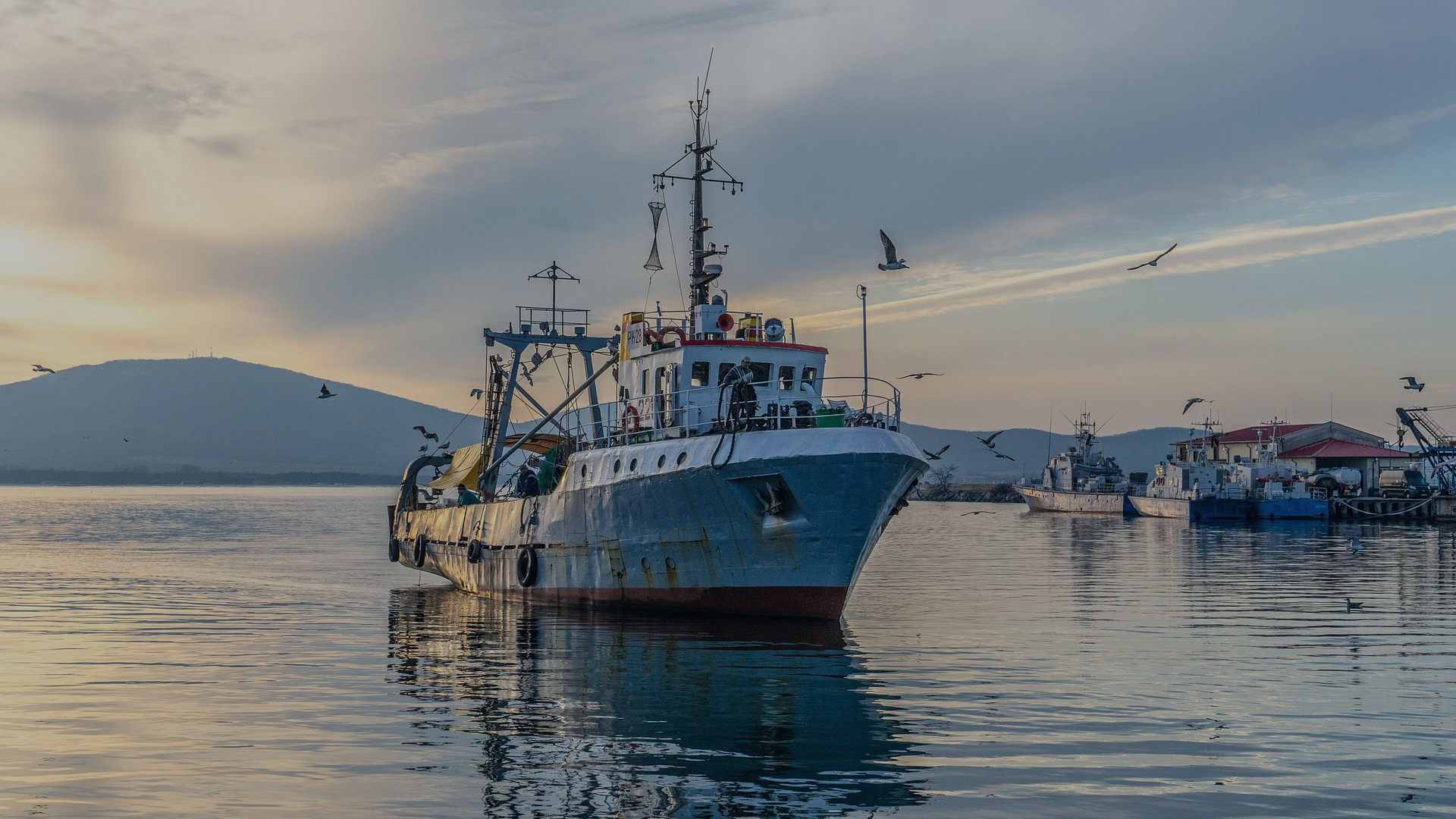
Fishing Segment
Fuel Monitoring for Fishing Vessels & Fleets
Long transits and tight operating margins make fuel consumption and vessel reliability critical for fishing fleet managers. iHelm provides a vessel monitoring solution that helps reduce fuel costs and optimize transit speed, while also safeguarding engine performance. With clear insights into operational health, owners can keep track of engine health, making it easier to ensure vessels remain ready for the next trip.
Contact usKey benefits
What iHelm delivers for fishing fleet managers
Lower fuel costs
Speed optimization during long transits reduces consumption and emissions, supporting profitability and sustainability.
Engine monitoring
Real-time tracking of critical engine parameters ensures issues are detected early, helping extend engine life and reduce unexpected breakdowns.
Smarter maintenance
Data-driven insights into running hours and performance trends support better scheduling of service and repairs.
Simple to use
Onboard display gives captains and crew actionable guidance in real time, without adding operational complexity.
How it works
How iHelm works
iHelm collects data from engines, navigation, and fuel systems to create a digital twin model of each vessel's own operational profile.
By combining engine and voyage data with intelligent analytics, the system provides real-time speed recommendations to cut fuel consumption on long passages to and from fishing grounds. At the same time, it tracks key engine parameters, making it easier to detect issues early and plan maintenance with confidence. The result is lower operating costs, improved reliability, and a solution tailored to the needs of modern fishing fleets.
Learn more about iHelm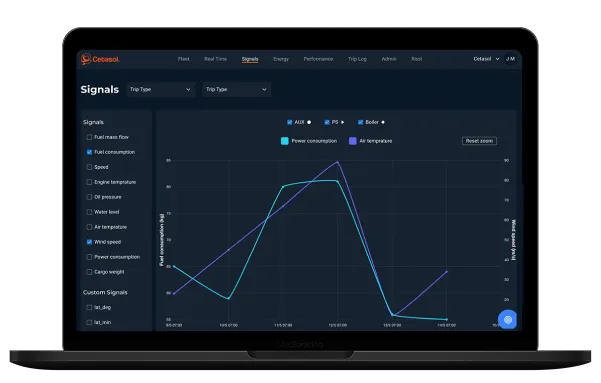
Digital twin vessel modeling
Real-time fuel optimization
Predictive maintenance tracking
Virtual fuel flowmeter
Measure fuel flow without risk of clogging and expensive installations with CetaFuel.
Learn more about CetaFuelWho benefits
Value for every role in your organization
Understand your fleet across unpredictable conditions
- Compare vessel performance despite varying trip profiles
- Identify which vessels and crews deliver consistent results
- Long-term trend analysis across seasons
Control fuel costs in variable operations
- Trip-level cost breakdowns for profitability analysis
- Spot fuel waste patterns and quantify savings
- Budget more accurately using historical consumption data
Performance clarity in changing conditions
- Engine monitoring during variable load profiles
- Fuel tracking correlated with weather and sea state
- Trip-level reporting for operational review