
How Fleets Are Navigating Maritime Decarbonization
January 29, 2026
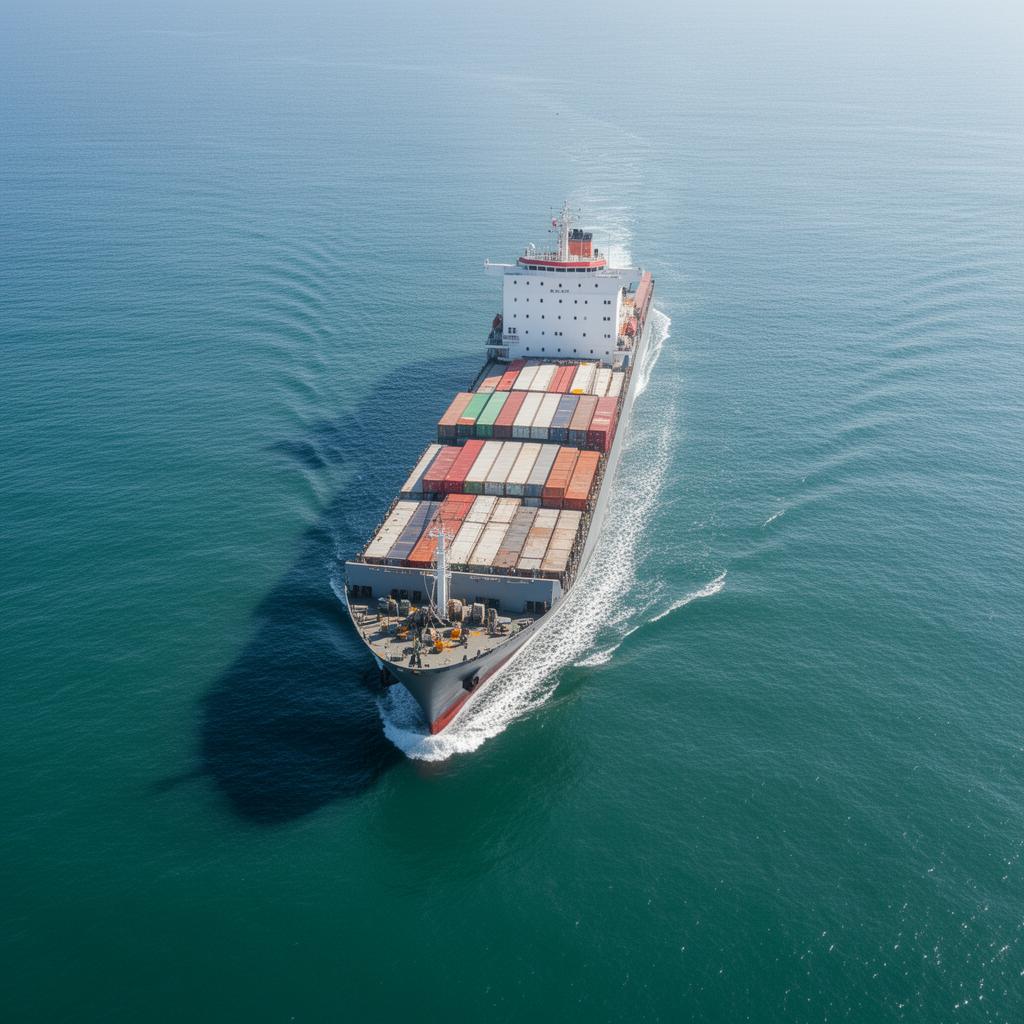
Maritime sustainability is no longer a distant strategic ideal, it is now an operational requirement shaped by escalating fuel costs, tightening regulations, and rising expectations for emission transparency.
Fleet managers, superintendents, and sustainability officers are under pressure to deliver measurable improvements while maintaining reliable, cost-efficient operations.
the path forward is rarely straightforward. The industry faces fragmented standards, evolving compliance frameworks, and increasing scrutiny around how carbon intensity and efficiency are measured.
Sustainability in shipping is being rewritten by data: digital monitoring, real-time operational insights, and adaptive modeling now sit at the center of decarbonization strategies. These tools determine how emissions are measured, how compliance is maintained, and how vessels optimize their performance under tightening regulatory and commercial pressure.
Any fleet planning for the next decade of maritime operations must treat sustainability as a data-driven discipline, one that relies on accurate measurement, transparent reporting, and continuous operational improvement.
Why Maritime Sustainability Is Now an Operational Requirement
Sustainability in maritime operations has shifted from a peripheral initiative to a core operational requirement. The drivers are straightforward: fuel is one of the industry’s largest cost centers, emissions are now regulated and monetized, and global scrutiny on maritime environmental impact has intensified.
What used to be a strategic nice to have is now directly tied to profitability, compliance, and long-term fleet viability.
The pressure on maritime leaders is coming from several directions at once. Fuel prices remain volatile and directly impact operating margins.
The IMO’s Carbon Intensity Indicator (CII) places every vessel on a performance trajectory that demands year-over-year efficiency improvements.
SEEMP III sets regulatory expectations for how energy-efficiency planning and documentation are evaluated, increasing the importance of accurate operational data across the fleet. Meanwhile, the EU Emissions Trading System (EU ETS) puts a financial cost on CO₂ output, making emission performance a budget item, not just an environmental metric.
Because of this shift, maritime sustainability cannot be treated as a branding exercise or an abstract climate commitment. It must be a measurable, data-grounded framework that reflects how a vessel actually operates.
Sustainability at sea is defined by propulsion efficiency, carbon intensity, and the transparency of the data used to assess them. Real progress comes from understanding how the vessel consumes energy, how operational behavior influences that consumption, and how consistently those patterns can be measured and improved.
Digital transparency sits at the center of this evolution. Without accurate operational data, engine load, speed, maneuvering patterns, environmental factors, fleet managers cannot evaluate efficiency trends, verify emission reductions, or demonstrate compliance.
Sustainable operations emerge from evidence, not assumptions. And as the regulatory and financial stakes continue to rise, this evidence must be continuous, reliable, and granular.
In modern shipping, sustainability is ultimately an operational discipline. It is the outcome of how vessels are run, how decisions are made, and how effectively data is captured and used to drive improvement.
Core Pillars of Maritime Sustainability
Maritime sustainability is traditionally framed around three global pillars, economic, social, and environmental performance. But in daily fleet operations, these pillars translate into measurable outcomes driven by efficiency, transparent emissions data, digital consistency, and regulatory alignment.
Each element reinforces the others: strong economic decisions lower environmental impact, social responsibility strengthens operational culture, and environmental performance is increasingly tied to financial viability and compliance risk.
Together, these forces are reshaping how modern fleets plan, operate, and evaluate sustainability progress.
Efficiency as the Primary Driver of Sustainable Operations
Operational efficiency sits at the center of all three sustainability pillars. Efficient vessels consume less fuel, cut emissions, reduce operating costs, and create safer, more predictable working environments.
Fuel consumption directly determines carbon emissions. Every marginal reduction, whether through optimized routing, improved throttle control, or smoother maneuvering, translates into immediate environmental and economic gains. Reducing diesel use by 10% results in roughly 10% fewer CO₂ emissions, making efficiency the most accessible pathway to decarbonization.
How Optimizing Speed, Power, and Maneuvering Reduces Both Emissions and Cost
Fuel consumption is influenced by a broad set of operational and technical factors. Research identifies eight primary criteria that shape a vessel’s energy use:
- Engine operation practices
- Maintenance behavior
- Crew impact
- Environmental and voyage conditions
- Propeller performance
- Technical specifications
- Hull condition
- Vessel stability
Among these, three stand out as the dominant drivers of fuel efficiency: maintaining appropriate speed for sea conditions, planning voyages around weather and sea state, and meeting energy-efficiency requirements tied to emissions regulations.
Speed remains the most decisive variable. Vessels burn disproportionately more fuel as speed increases, and failing to adjust speed based on sea conditions leads to unnecessary power spikes and elevated carbon output.
Fine-tuning speed and power load, optimizing trim and stability, and aligning maneuvering behavior with environmental conditions all reduce the energy required to move the vessel. Better routines during approaches, berthing, and low-speed operations further minimize avoidable consumption.
These adjustments support both economic and environmental sustainability. They lower fuel expenditure, reduce CO₂ emissions, improve CII performance, and help vessels operate within regulatory expectations.
The Link Between Operational Efficiency and CII Performance
The Carbon Intensity Indicator (CII) directly reflects how efficiently a vessel moves cargo or passengers. Lower energy usage per transport work results in stronger CII ratings, while inefficiency drives deterioration and potential corrective action requirements.
In practice, efficient operations support economic sustainability (lower fuel cost), environmental sustainability (less CO₂), and social sustainability (safer, more stable workflows).
Emission Transparency and Intensity Measurement (CII and Carbon Metrics)
Efficiency can only be improved when it is measured accurately. Transparency in fuel use and carbon output underpins every decarbonization strategy.
Why Accurate, Continuous Measurement Matters
Fragmented logs or manual reporting cannot keep pace with regulatory demands or fleet-level decision-making. Continuous, high-resolution measurement creates a reliable emissions baseline, reduces reporting errors, and ensures decisions are grounded in factual operational data, not estimates.
Carbon Intensity as a Core Sustainability Metric
Environmental sustainability in shipping is increasingly defined by carbon intensity, not total emissions. The focus is on how efficiently a vessel moves goods relative to its fuel use.
This aligns with IMO’s decarbonization strategy, 40% reduction in carbon intensity by 2030 and 70% by 2050, which places operational performance at the center of environmental responsibility.
How Data Granularity Affects Emission Reporting Quality
High-frequency, engine-and-GPS-based data reveals trends invisible in coarse manual datasets: transient fuel spikes, inefficient maneuvers, under- or over-powering, and environmental impacts. More granular data creates more accurate CII trajectories, supports regulatory reporting requirements, and strengthens economic and environmental decision-making.
Digitalization for Continuous Sustainability Tracking
Digitalization is the mechanism that turns sustainability from a policy goal into an operational reality.
Paper logs, isolated sensors, and inconsistent data collection introduce gaps that weaken both compliance and operational analysis.
Digital systems unify operational data into a single, consistent stream, enabling measurable progress across economic, social, and environmental pillars.
Adaptive models, built from actual vessel signals, reflect how each vessel behaves under real conditions. They adjust as equipment ages or operations change, providing more accurate insights over time. This supports smarter maintenance, better power management, and more efficient operating decisions across the fleet.
How Digitalization Provides Fleet-Wide Consistency
A digitally connected fleet evaluates all vessels by the same metrics, identifies best-performing practices, and supports training and operational alignment.
This contributes to social sustainability (standardized procedures, improved safety culture) and economic sustainability (repeatable, predictable performance).
Compliance as the Structural Backbone of Decarbonization
Regulation is the force that sets the pace for maritime sustainability, shaping investment, technology adoption, and operational standards.
Do you wonder how regulation dictates the pace of sustainability?
IMO’s emissions trajectory, UN Sustainable Development Goals, and industry-wide decarbonization commitments are pushing fleets toward more measurable environmental performance. Compliance obligations now drive fuel efficiency initiatives just as strongly as cost pressures.
Now, let’s look at how IMO efficiency requirements and EU ETS cost exposure are reshaping operational decision-making.
SEEMP III sets planning and documentation expectations at the regulatory level, while performance-based mechanisms such as CII and FuelEU Maritime translate efficiency directly into operational and financial outcomes. CII ratings influence operational decisions and may trigger corrective measures. For vessels trading in Europe, EU ETS adds a direct economic cost to emissions, reinforcing the commercial rationale for precise measurement and continuous efficiency gains.
Regulatory frameworks have transformed data from a supporting tool into a central operational asset. Accurate monitoring is now expected, it is required for reporting, risk mitigation, performance planning, and long-term economic sustainability. Compliance drives fleets toward more transparent, digitally informed operations, strengthening all three sustainability pillars.
Key Indicators That Shape Decarbonization Progress
Decarbonization in shipping relies on standardized metrics that show how efficiently a vessel operates and how well it aligns with regulatory expectations.
Performance-based indicators such as CII define how decarbonization progress is assessed across modern fleets, within broader regulatory frameworks such as SEEMP III.
Carbon Intensity Indicator (CII) and Rating Trajectory
CII tracks CO₂ emitted per unit of transport work, creating a clear benchmark for a vessel’s operational carbon performance.
The A–E rating system signals how efficiently a vessel performs. Strong ratings support commercial competitiveness, while weaker ones increase regulatory scrutiny. An E rating once or three consecutive D ratings triggers a mandatory corrective plan, requiring operators to demonstrate how they will restore acceptable performance levels.
CII is evaluated annually, making consistency essential. Operators monitor their rating trajectory throughout the year to avoid corrective actions and maintain compliance.
How Regulatory Frameworks Define Carbon-Performance Expectations
SEEMP III structures how efficiency measures and carbon-intensity planning must be documented at the regulatory level, reinforcing the importance of accurate operational data for compliance evaluation.
Under IMO frameworks, vessels are required to submit verified operational data annually, increasing the need for accurate, consistent performance measurement. Because operational data underpins compliance evaluations and future performance expectations, inaccurate or inconsistent measurement can undermine both planning and regulatory alignment.
Reliable measurement ensures a credible efficiency record and reduces the risk of discrepancies during verification.
How Advanced Technologies Support the Maritime Sustainability Transition
The shift toward digital sustainability begins with understanding how new tools transform operational insight. Let’s look at how real-time data, intelligent modeling, and predictive systems are creating clearer pathways to decarbonization.
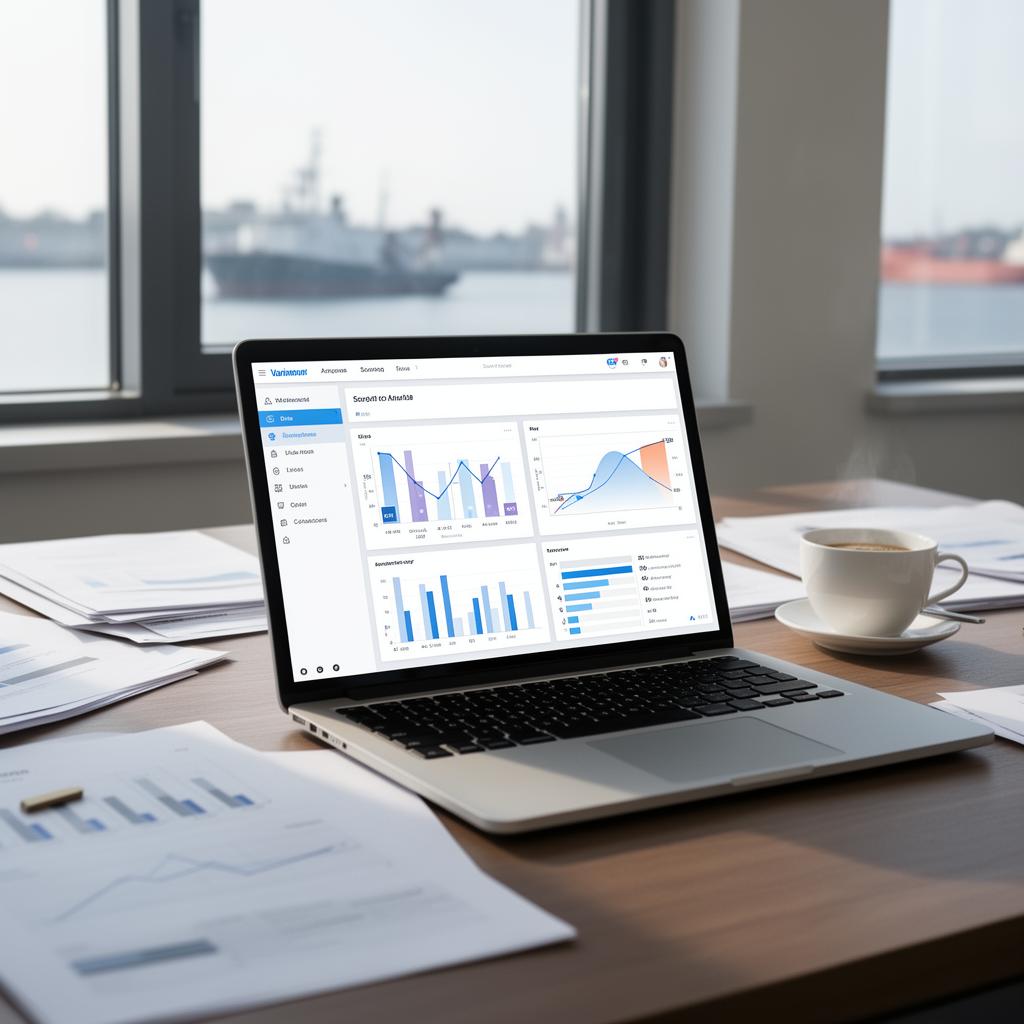
Real-Time Operational Data as the Foundation of Improvement
Sustainability progress depends on accurate, continuous measurements rather than manual estimates or fragmented logs. Real-time data captures how a vessel actually behaves under changing loads, weather conditions, and operational patterns.
This measured reality eliminates guesswork and provides a factual basis for decision-making.
High-frequency inputs, such as engine power signals, GPS position, and operational patterns, create a detailed operational picture that is essential for benchmarking performance and identifying trends.
Systems like iHelm collect high-resolution operational data and convert it into structured insights, allowing operators to observe how small variations in handling, routing, or power usage influence carbon intensity. This level of visibility forms the baseline for any meaningful efficiency strategy.
Intelligent Decision Models and Predictive Insights
Advanced modeling tools strengthen operational decision-making by interpreting patterns found in real vessel behavior. As the vessel ages or operating conditions shift, adaptive models identify these changes and help refine the relevance of predictions. This provides operators with clearer insight into how evolving conditions may influence efficiency and carbon performance.
iHelm applies adaptive AI to vessel data, generating real-time guidance such as speed recommendations, arrival-time estimates, and power-use insights.
These predictive cues allow crews to operate more efficiently without compromising safety or schedule reliability. Importantly, the system supports, not replaces, the operator. The crew remains in full control while benefiting from data-driven recommendations that highlight the most efficient operational choices.
CetaFuel complements this by providing virtual fuel estimation with 97–99.5% accuracy using operational signals, with no physical sensors required. These virtual estimates support operators by offering consistent, calibration-based insights that help validate fuel-related performance trends.
Data-Driven Performance Evaluation and Optimization Pathways
Once operational data is collected and modeled, it becomes a powerful tool for evaluating performance and identifying targeted reduction strategies.
Trends in engine load, maneuvering patterns, and speed profiles reveal where fuel is being used effectively and where it is being wasted.
iHelm translates these patterns into actionable insights, showing operators which behaviors drive unnecessary fuel consumption and how adjustments can improve efficiency. By analyzing historical and real-time data, the system can identify hotspots such as inefficient approaches, excessive power spikes, or recurring operational bottlenecks.
Modeling also allows operators to assess future scenarios without taking risks. For example, iHelm’s dynamic digital twin can model how operational patterns influence fuel use and emissions, helping operators evaluate potential adjustments analytically. This creates a clear, data-backed foundation for long-term planning, investment decisions, and continuous improvement.
Decarbonization Trends Influencing the Next Phase of Maritime Operations
The maritime sector is entering a phase where decarbonization is shaped as much by data and verification as by technology. Here are the shifts that are redefining how fleets operate, report, and demonstrate progress.
- Shift toward measurable efficiency outcomes: Fleets are moving from broad fuel-saving claims to verified, data-backed results. Stakeholders now expect clear proof of operational efficiency.
- Greater transparency demanded by charterers and regulators: Documented performance data is becoming a prerequisite for commercial and compliance discussions, influencing long-term competitiveness.
- Tightening regulations and higher data accountability: Emissions reporting must rely on verified operational records. Under EU ETS, verified emission data determines carbon-cost exposure, increasing the importance of accurate operational records.
- Growing reliance on digital evidence in compliance checks: Regulators favor continuous digital documentation, increasing the need for consistent, audit-ready operational data.
- Acceleration of data-informed operational decisions: Crews now use model-supported insights to guide efficient operating choices, reducing variability across voyages.
- Fleet-wide digitalization becoming standard practice: Unified monitoring systems enable benchmarking across vessels and captains, supporting targeted improvements and more predictable outcomes.
How Operational Intelligence Supports Sustainability Progress
Operational intelligence provides fleets with a clearer understanding of how their vessels perform and how those patterns influence carbon outcomes.
By combining real operational measurements with dynamic modeling, operators gain a more accurate view of efficiency trends and can respond to performance changes early, rather than waiting for annual reviews.
This continuous visibility supports smoother alignment with regulatory reporting. Instead of piecing together data at the end of the year, fleets can track their carbon-intensity trajectory as it develops and make adjustments that keep ratings and efficiency targets on track.
Cetasol’s solutions contribute to this approach by offering:
- Operational transparency through structured, live data that highlights how different conditions influence propulsion load and fuel behavior.
- Carbon-intensity tracking based on the vessel’s actual operating profile, enabling clearer evaluation of efficiency measures.
- Decision recommendations generated from adaptive modeling in iHelm, guiding crews with insights that reflect the vessel’s real behavior.
CetaFuel complements this by providing a highly accurate virtual fuel-consumption estimate without adding physical sensors, giving fleets dependable input data for performance evaluation and compliance reporting.
Navigating Sustainability Expectations in the Coming Years
The regulatory and commercial landscape is shifting quickly, and fleets will need clearer performance standards and stronger data practices to remain compliant and competitive. Here are the expectations that will define the next phase of maritime sustainability.
Operational Performance Benchmarks
Efficiency expectations are rising as CII thresholds tighten year by year. Fleets will need clearer operational benchmarks to understand where they stand and how their vessels compare within similar classes, trades, and environmental conditions.
Benchmarking across comparable operating profiles will become an essential tool for identifying improvement opportunities and validating progress against evolving CII requirements.
Reporting Accuracy and Data Governance
Regulators are placing increasing weight on verified, traceable operational data. Transparent data trails are becoming a form of compliance currency, allowing authorities to assess performance with greater scrutiny.
As MRV and DCS requirements evolve, fleets will need operational data that is immediately audit-ready, consistent, complete, and aligned with IMO and regional reporting standards.
Technology Adoption Momentum Across Fleets
Digitalization is moving from isolated trial projects to full-fleet implementation. Operators are recognizing that consistent, fleet-wide monitoring is necessary to meet future compliance demands and remain competitive.
A higher level of digital maturity improves operational predictability, strengthens sustainability planning, and reduces the risk of falling behind as regulations and market expectations accelerate.
Fleets that scale digital tools early will have a structural advantage in both compliance resilience and long-term efficiency performance.
Conclusion
Maritime sustainability is entering a phase defined by measurable performance, transparent reporting, and data-driven decision-making.
As regulations tighten and carbon-intensity expectations rise, fleets must rely on accurate operational insight rather than assumptions or periodic evaluation. Real-time data, adaptive modeling, and consistent digital monitoring now form the backbone of effective decarbonization strategies.
By grounding decisions in operational intelligence, vessel owners and operators can strengthen compliance, improve efficiency, and build long-term resilience.
Solutions like iHelm and CetaFuel give fleets the clarity needed to understand their true operating patterns, assess carbon impact, and act with confidence in an increasingly demanding landscape. The path forward is clear: sustainability progress will be achieved by fleets that measure precisely, adapt quickly, and operate with full transparency.