Can AI Reduce Fuel Consumption and Emissions in Ferry Operations?
February 1, 2026
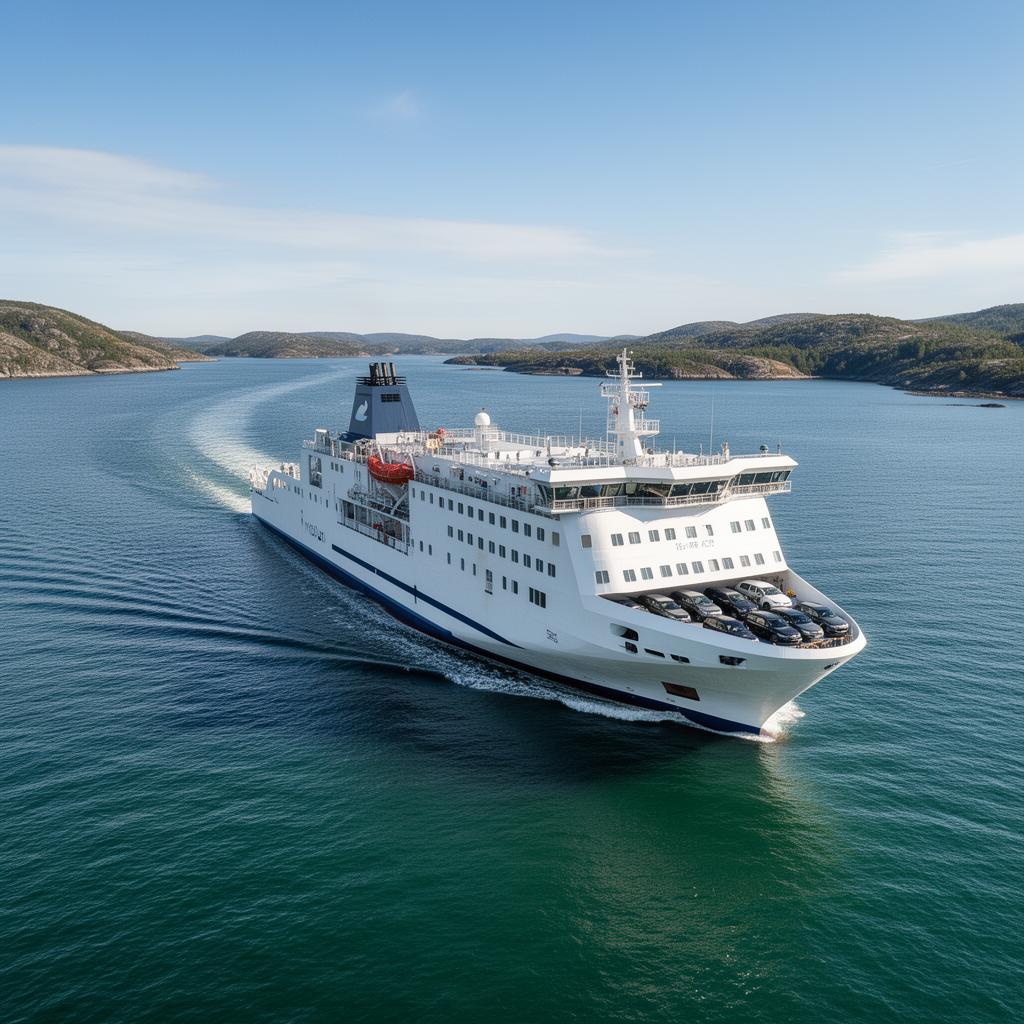
Ferry operations differ significantly from most other maritime activities. Instead of long, steady voyages, ferries operate in high-frequency, stop-and-go patterns, repeating short routes multiple times per day.
Each trip includes acceleration, maneuvering, docking, and idling. These phases are energy-intensive and highly sensitive to small changes in speed or handling. Over time, these small inefficiencies add up to substantial fuel use and emissions.
Meanwhile, ferry operators face growing pressure from fuel costs, emission targets, and public accountability. As a visible form of public transportation, ferries must remain punctual and safe while demonstrating clear progress toward sustainability goals. This leaves little room for inefficiency.
Traditional fuel-optimization methods often underperform in this context. Static speed guidelines, manual processes, or generic benchmarks fail to reflect the constantly changing conditions of ferry operations, especially repeated docking cycles, idle-heavy harbor phases, and variations in crew behavior.
AI-based, data-driven decision support offers a more practical solution. By analyzing real operational data and learning from historical patterns, modern systems can adapt to ferry-specific behavior and provide clear, actionable guidance.
The result is consistent fuel savings and emission reductions, achieved through better decisions, not theoretical models or one-size-fits-all rules.
Smart Fuel-Saving Actions Ferries Can Take Today
Ferry fuel optimization does not require long-term redesigns to deliver results. Many of the most impactful improvements come from operational changes that can be implemented immediately, provided they are guided by data and applied consistently.
Below is a practical, ferry-specific checklist focused on actions operators can take today.
Optimize Speed Profiles Between Terminals
Avoid overspeeding without sacrificing punctuality. Fuel consumption increases exponentially with speed. Even small reductions in cruising speed between terminals can deliver unexpected savings. A reduction in speed can cut fuel consumption, while also reducing engine wear.
For ferries, the challenge is maintaining schedule reliability. This is where optimized speed profiles matter: instead of running fast and idling on arrival, vessels can operate at a steadier, lower speed that still meets arrival targets, using less fuel overall.
Reduce Unnecessary Idling During Port Stays
Control fuel burn during waiting and loading phases. Idle-heavy harbor phases are a major source of hidden fuel consumption in ferry operations. Engines often run longer than necessary during loading, queuing, or schedule buffers.
Reducing unnecessary idling, through clearer operational guidelines and better visibility into idle consumption, can immediately lower fuel use and emissions without affecting service levels.
Improve Docking and Maneuvering Consistency
Docking and departure are among the most energy-intensive phases of a ferry trip.
Variations in throttle use, maneuver timing, and propulsion load can significantly affect fuel burn.
By analyzing past docking behavior and identifying the most efficient patterns, operators can standardize best practices across crews, improving consistency while maintaining safety.
Use Historical Route Data to Standardize Best-Performing Runs
Turn repeatable routes into repeatable efficiency. Ferries operate some of the most repeatable routes in the maritime sector.
This makes historical data especially valuable. By comparing fuel use, speed profiles, and idle time across identical runs, operators can identify which voyages perform best and why.
These insights can then be used to define optimized route profiles that crews can follow day after day, reducing variability and unnecessary fuel burn.
Align Crew Behavior Around Measurable Efficiency KPIs
Make efficiency visible, measurable, and actionable. Sustainable fuel savings depend on alignment across the operation. Clear KPIs, such as fuel per voyage, idle consumption, or grams CO₂ per nautical mile, help crews understand how daily decisions impact performance.
When efficiency is tracked, visualized, and discussed regularly, it becomes part of normal operations rather than an abstract sustainability goal.
Replace Manual Optimization with Data-Driven Decision Support
While practices such as slow steaming, idle control, and route standardization are well known, applying them consistently is difficult without the right tools.
AI-based decision support systems help ferry operators move from manual optimization to continuous, data-driven improvement, supporting crews with clear guidance while keeping humans firmly in control.
How Stop-and-Go Patterns Burn More Fuel
Ferry operations are defined by stop-and-go maritime patterns. Unlike vessels that operate at steady speeds for long durations, ferries repeatedly transition between low-speed maneuvering, rapid acceleration, cruising, deceleration, docking, and idling, often dozens of times per day on the same route.
While each individual phase may seem short, together they create an operating profile that is inherently energy-intensive.
The largest fuel penalties occur during repeated acceleration and deceleration. Bringing a vessel up to speed from a standstill requires disproportionately high engine power, especially in confined waters where maneuvering loads are significant.
When this cycle is repeated frequently, even small inefficiencies in throttle use or propulsion timing compound into substantial fuel consumption across the day.
Overspeeding between terminals further amplifies this effect, as higher speeds demand exponentially more energy without improving arrival time in a meaningful way.
In addition to propulsion loads, ferries experience hidden fuel consumption during harbor phases. Waiting for berth availability, loading and unloading vehicles or passengers, and holding position due to schedule buffers often result in extended idling or low-efficiency engine operation.
These periods are rarely captured by traditional optimization methods, yet they contribute significantly to overall fuel burn and emissions.
As a result, short routes can still have high fuel and emission intensity, often measured in grams of CO₂ per nautical mile. While total fuel consumption per trip may appear modest, the fuel burned per unit of distance is high because energy-intensive phases dominate the voyage.
This makes ferries especially sensitive to operational behavior and particularly well suited to data-driven optimization that focuses on acceleration, idling, and maneuvering rather than just cruising speed.
Using iHelm and CetaFuel to Optimize Ferry Behavior
Ferry operations are highly repeatable, but no two voyages are ever exactly the same.
Weather, traffic, schedule pressure, and crew behavior all influence fuel consumption.
iHelm is designed to capture these variations and model ferry-specific operational cycles, creating a data-driven understanding of how each vessel actually performs in daily service.
Modeling Ferry-Specific Operational Cycles
iHelm continuously analyzes engine signals, GPS data, and operational patterns to model the full ferry cycle, from departure and acceleration to cruising, maneuvering, docking, and idle phases. Because ferry routes are repeated multiple times per day, the system quickly learns what good performance looks like for each leg of the route and where unnecessary energy is being used.
This ferry-specific modeling forms the basis of a data-driven digital twin, allowing performance to be compared across trips, crews, and conditions.
Adaptive AI Recommendations in Real Time
Based on this operational model, iHelm provides clear, advisory recommendations to support more efficient decision-making on board:
- Speed control: Guidance on optimal speed between terminals to avoid overspeeding while still meeting arrival times.
- Propulsion timing: Recommendations on when to apply or reduce power to minimize high-load, inefficient engine operation.
- Arrival and docking behavior: Insights that help smooth deceleration and maneuvering, reducing fuel burn during high-impact phases.
The captain always remains in control, iHelm supports decisions rather than automating them.
CetaFuel: Virtual Fuel Insight Without Intrusive Hardware
Accurate fuel data is essential for optimization, yet many ferries lack physical flow meters.
CetaFuel fills this gap by acting as a virtual fuel reader, calculating fuel flow with high accuracy using existing engine and operational signals.
This enables operators to:
Compare fuel consumption at route level, identifying which runs are most efficient.
Benchmark performance by time of day, operating condition, or crew, revealing patterns that would otherwise remain hidden.
Because CetaFuel is fully data-driven, it requires no invasive installation or modification of fuel lines, keeping costs and operational disruption low.
Seamless Integration Into Ferry Operations
Both iHelm and CetaFuel are designed to integrate into existing ferry operations with minimal effort. The onboard hardware connects to available engine signals and GPS, while all analysis and reporting are handled through secure cloud-based systems.
Crews receive real-time guidance on board, and shore-based teams gain full visibility through dashboards and automated reports.
Book a tailored demo to see how the iHelm Intelligent Platform and CetaFuel Virtual Fuel Reader can optimize speed, docking, and fuel use across your ferry operations.
Idle Fuel Consumption in Ferry Operations and How to Reduce It
In ferry operations, some of the most avoidable fuel use does not occur underway, but while the vessel is technically not moving. Idle Time Management focuses on identifying and reducing fuel burn during low-speed and stationary phases that are often overlooked in traditional efficiency efforts.
Understanding Idle Time in Ferry Operations
Idle time includes any period where engines are running without delivering meaningful propulsion. In ferry operations, this commonly occurs during:
- Waiting for berth availability due to port congestion or traffic
- Loading and unloading passengers or vehicles
- Schedule buffering, where vessels arrive early and hold position to protect on-time performance
While these periods may seem unavoidable, they often involve engines operating far from their most efficient load points, resulting in disproportionate fuel consumption and emissions.
Identifying Hidden Fuel Burn
Because idle phases are frequent and fragmented, their cumulative impact is easy to underestimate. Over a full operating day, short idle periods can add up to a significant share of total fuel use, especially on short routes where harbor time represents a large portion of each voyage.
By separating voyages into operational phases, data-driven systems make it possible to quantify exactly how much fuel is burned during waiting, loading, and buffering, rather than treating these phases as operational blind spots.
How AI Makes Idle Behavior Visible
AI-based decision support analyzes engine load, RPM, and timing data to distinguish productive operation from inefficient idling. Patterns quickly emerge:
- Which terminals or times of day produce the most idle fuel burn
- How idle behavior varies between crews or shifts
- When engines are running longer than necessary without operational benefit
This visibility allows operators to focus on avoidable idle behavior, rather than idling that is genuinely required for safety or operations.
Turning Insights Into Crew-Level Action
The value of idle analysis lies in translating insights into clear operational guidance.
Instead of abstract fuel targets, crews receive practical direction, such as when to reduce engine use, adjust timing, or change approach patterns during port stays.
Over time, these guidelines become part of standard operating practice. The result is lower fuel consumption and emissions, achieved without compromising safety, punctuality, or passenger experience.
How Digital Twins Optimize Fuel and Emissions in Ferry Operations
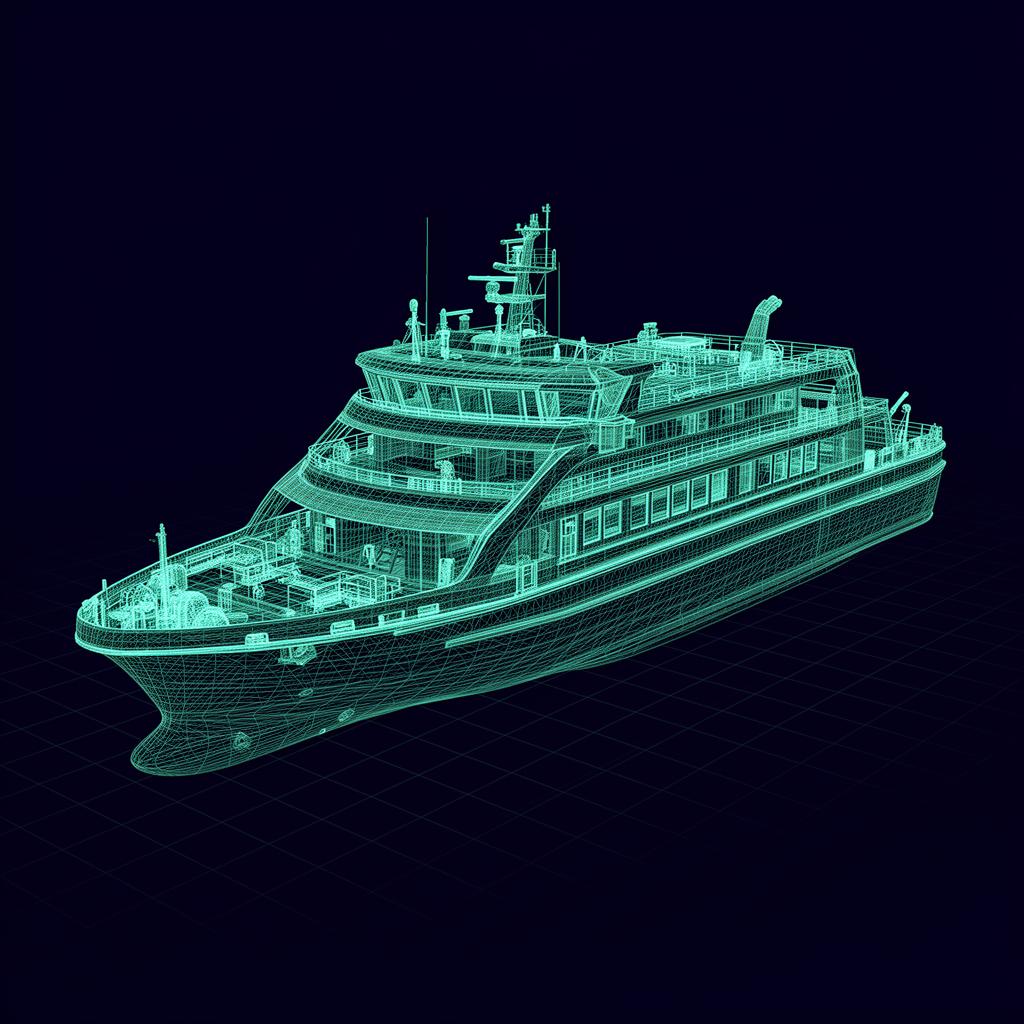
At Cetasol, a digital twin for ferry operations is not a visual model or simulation environment. It is a data-driven operational model built directly from real vessel data and continuously updated through the iHelm platform.
This approach is specifically suited to ferries, where short, repeatable routes and frequent maneuvering make operational behavior a primary driver of fuel consumption and emissions.
What a Digital Twin Means in the Cetasol Approach
Cetasol’s digital twin captures the relationship between how a ferry is operated and how it consumes energy in daily service.
By learning from repeated voyages, iHelm establishes a performance baseline for each route and vessel, making it possible to identify deviations and improvement opportunities based on actual operating conditions, not theoretical assumptions or design values.
Data Inputs Used by Cetasol’s Digital Twin
The digital twin is built using operational data already available on board, collected and processed by iHelm, including:
- Engine signals, such as RPM and power load
- GPS and route data, defining speed profiles, maneuvering zones, and docking phases
- Historical performance trends, showing how fuel use and emissions vary across trips, crews, and conditions
This data-driven approach allows Cetasol to create a continuously updated model that reflects real-world ferry behavior.
How Cetasol’s Digital Twins Support Optimization
Once established, Cetasol’s digital twin becomes a practical tool for both onboard crews and shore-based teams:
- The digital twin helps operators understand how different engine operating patterns, such as changes in RPM and load during acceleration and maneuvering, influence estimated fuel behavior, without making physical changes to the vessel.
- The model estimates expected fuel consumption and CO₂ intensity for future voyages under similar conditions, supporting more accurate forecasting and reporting.
- Schedule changes, route adjustments, or increased service frequency can be assessed in advance, helping operators understand energy and emissions impacts before implementation.
By embedding digital twins into everyday operations through iHelm, Cetasol enables ferry operators to move from reactive optimization to continuous, data-driven improvement, reducing fuel consumption and emissions while preserving reliability and safety.
Operational KPIs That Matter for Ferry Efficiency
Reducing fuel consumption and emissions in ferry operations requires more than good intentions, it requires clear, consistent performance metrics.
The most effective efficiency programs focus on KPIs that reflect how ferries actually operate: short routes, frequent docking, and idle-heavy harbor phases. When these KPIs are tracked over time, they create a reliable foundation for continuous improvement.
Fuel per Voyage
Fuel per voyage provides a direct view of how much energy each trip requires from departure to docking.
For ferry operators running repeatable routes, this KPI makes it easy to compare performance across identical trips and identify deviations caused by weather, traffic, or operational behavior.
Fuel per Nautical Mile
Fuel per nautical mile normalizes consumption by distance, making it possible to compare efficiency across routes of different lengths.
This metric is especially important for ferries, where short routes often show high energy intensity due to acceleration, maneuvering, and harbor time.
Idle Fuel Consumption
Idle fuel consumption captures fuel burned while the vessel is waiting, loading, or holding position. Because these phases occur frequently and are easily overlooked, tracking idle fuel highlights inefficiencies that rarely appear in traditional reports but can account for a significant share of total consumption.
Grams CO₂ per Nautical Mile
Grams of CO₂ per nautical mile links operational performance directly to emissions. This KPI allows operators to quantify environmental impact in a consistent way and supports internal sustainability targets as well as external reporting requirements.
Variance Between Captains or Shifts
Comparing KPIs across captains or shifts helps identify differences in operational patterns without focusing on individuals.
The goal is to uncover best-performing behaviors that can be shared across crews, improving consistency and overall efficiency.
Trend Tracking Over Time
Single voyages rarely tell the full story. Tracking KPIs over weeks, months, and seasons reveals long-term trends, the impact of operational changes, and the influence of weather or traffic patterns. This trend-based view is essential for sustained fuel savings rather than short-term gains.
Visibility Through Dashboards and Automated Reporting
Modern decision support platforms make these KPIs accessible through clear dashboards and automated reports. Crews gain transparency into daily performance, while shore-based teams can monitor trends, benchmark routes, and reduce administrative workload, turning raw data into actionable insight without manual effort.
Emission Regulations and Compliance for Ferry Operators
Ferry operators are operating under increasing regulatory scrutiny as emissions targets tighten and transparency requirements expand. Even for short-route, high-frequency services, regulators now expect consistent measurement, reporting, and improvement in energy efficiency.
Why Ferry Operators Face Growing Scrutiny
Several regulatory frameworks are shaping expectations across maritime transport:
CII (Carbon Intensity Indicator)
CII is an annual efficiency rating that assesses how efficiently a vessel transports goods or passengers over time. While it is not a real-time control mechanism, sustained inefficient operation can negatively affect a vessel’s rating, increasing pressure on operators to demonstrate year-over-year improvement.
EEXI (Energy Efficiency Existing Ship Index)
EEXI is a one-time technical and design-based requirement, not an operational rating.
However, it sets a baseline that operational performance must support. Poor operational efficiency can undermine the benefits of compliance at the design level.
MRV (Monitoring, Reporting, Verification)
MRV requires structured collection and reporting of fuel consumption and emissions data. For ferry operators, this often means handling large volumes of repetitive voyage data, making accuracy and consistency essential.
Together, these frameworks shift emissions management from an abstract goal to an operational responsibility, even for vessels running short, predictable routes.
How AI-Driven Optimization Supports Compliance
AI-based decision support systems help ferry operators meet regulatory expectations without adding operational complexity.
- Continuous improvement: By analyzing trends in fuel use and emissions over time, operators can demonstrate measurable efficiency gains, supporting CII performance and long-term sustainability goals.
- Transparent reporting: Automated data collection and structured outputs improve data quality and traceability, reducing the risk of reporting errors and increasing confidence during audits or reviews.
- Reduced administrative burden: Instead of relying on manual data handling and spreadsheets, AI-supported systems streamline reporting workflows, freeing teams to focus on operations rather than paperwork.
As regulatory pressure grows, optimization is now expected. Data-driven insight and consistent reporting are becoming essential tools for ferry operators aiming to remain compliant, efficient, and publicly accountable.
Final Word, Rethinking the Ferry Run with Smarter Systems
Ferries are uniquely well suited to AI-assisted optimization. Their short, repeatable routes, frequent docking cycles, and predictable operating patterns generate rich operational data, making even small efficiency improvements repeatable and measurable.
In this context, fuel savings and emission reductions are not driven by one-off changes, but by consistently better decisions made on every trip.
The most effective ferry operations follow a continuous learning loop. Operational data is collected from each voyage, transformed into clear insights, and translated into practical actions for crews and fleet managers.
Over time, this feedback loop supports continuous improvement, reducing unnecessary fuel use, improving consistency across shifts, and strengthening long-term efficiency without compromising safety or punctuality.
Cetasol supports this approach by turning ferry operations into data-driven systems.
Through the iHelm Intelligent Platform and CetaFuel Virtual Fuel Reader, ferry operators gain visibility into real operational behavior, actionable guidance for crews, and reliable reporting for shore-based teams. The result is short routes that run smarter, leaner, and cleaner every day.
Book a tailored iHelm demo to see how AI can reduce fuel consumption and emissions across your ferry routes.