
Cetasol's Innovative Digitalization Project
July 1, 2024
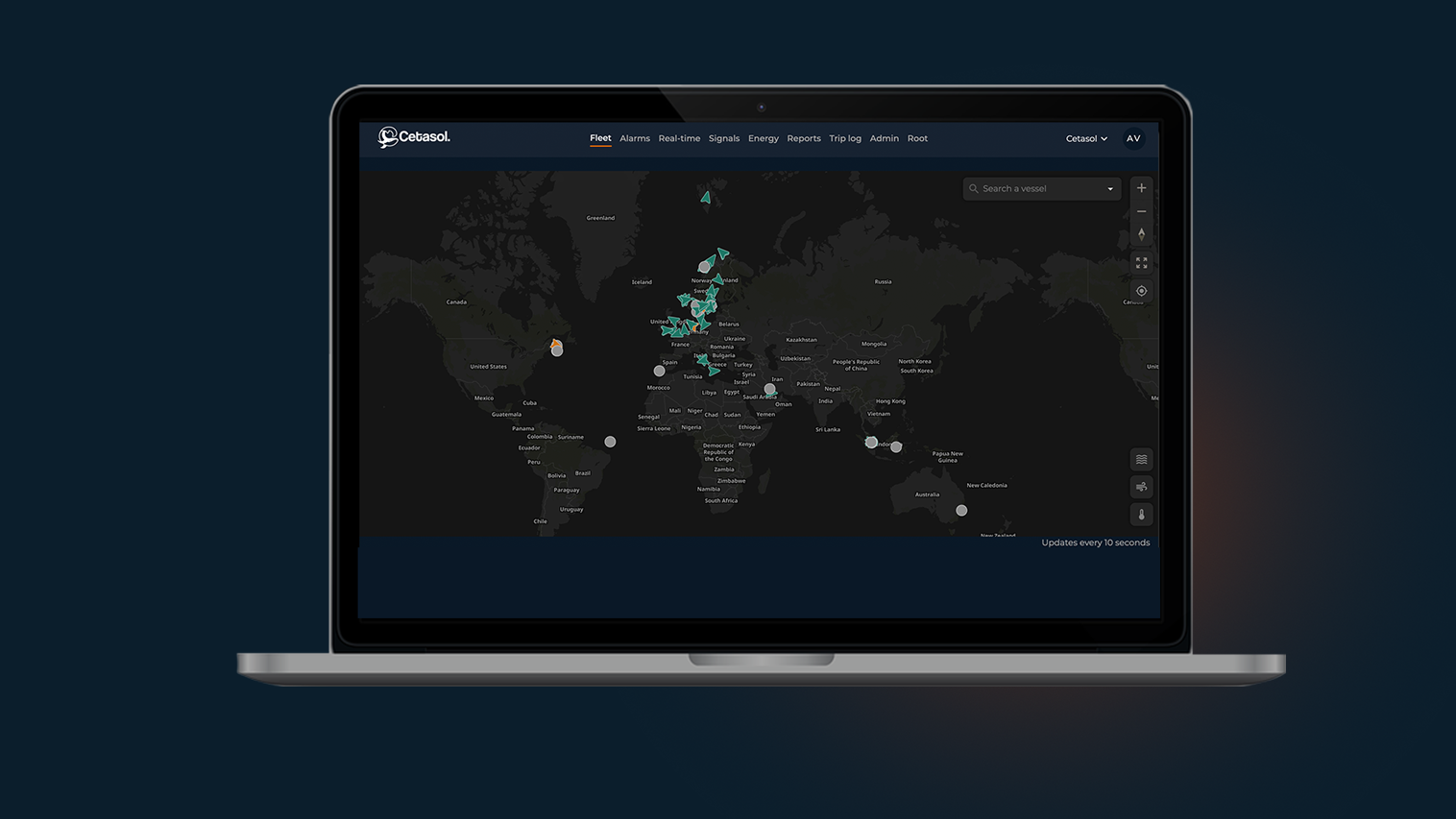
Cetasol's New Innovative Digitalization Project To Support Marine Sustainability
The maritime industry has struggled to adopt digitalization for sustainability due to high costs and scalability issues. Cetasol is initiating a project to tackle these challenges in collaboration with other stakeholders, to strive for a more sustainable future within the maritime industry.When looking at digitalization solutions for the industry, currently two primary solutions for maritime operations exist - one for larger cargo and the other for data visualization. However, these solutions are limited by vessel size and available features. Cetasol has initiated a project to develop a solution applicable to all vessel types, partnering with stakeholders like CAISR and RISE and using innovative data-based tools and digital twin models.
Digital twins for commercial operations
The initiative aims to demonstrate a digitalization solution using data-based digital twins for commercial marine operations. It focuses on achieving long-term emission reductions and predictive maintenance by installing electrical or alternative fuel drivelines. To ensure secure data exchange, the project involves model- and simulation-driven development, digital twins, edge computing, cloud technology, and data-driven development. Cetasol aims to connect industry stakeholders and automate model development for each vessel.
Moving sustainability forward. Together.
The project brings together various Swedish stakeholders in the maritime industry to promote sustainability in line with the regulations set by the International Maritime Organization. It involves key players such as CAISR, RISE, Quoakka, Trafikverket, Erik Thun, Stena Line, and Profjord. The main objective is to reduce CO2 emissions from marine transport, supporting Sweden's ambitious targets for emission reduction. The results of this collaborative effort will be disseminated through workshops, events, academic publications, and industry networks. By working together, these stakeholders aim to accelerate the adoption of sustainable technologies in the global maritime market.
This project represents a significant step forward in the digitalization of the marine sector, with the potential to engage key actors effectively. Its innovative approach emphasizes the exchange of digital twin models for different purposes rather than just sharing raw data. The parties involved are confident that a data-driven approach can serve as a robust and secure tool for implementing digital solutions in the industry. This strategy not only enhances efficiency but also adds a new dimension to the technological landscape of the maritime sector, paving the way for a more sustainable future.
Find more information about this project in this article.Cetasol's Innovative Digitalization Project To Support Marine Sustainability
The maritime industry has struggled to adopt digitalization for sustainability due to high costs and scalability issues. Cetasol is initiating a project to tackle these challenges in collaboration with other stakeholders, to strive for a more sustainable future within the maritime industry.Currently, two primary solutions for maritime operations exist - one for larger cargo and the other for data visualization. However, these solutions are limited by vessel size and available features. Cetasol has initiated a project to develop a solution applicable to all vessel types, partnering with stakeholders like CAISR and RISE and using innovative data-based tools and digital twin models.
Digital twin for commercial operations
The initiative aims to demonstrate a digitalization solution using data-based digital twins for commercial marine operations. It focuses on achieving long-term emission reductions and predictive maintenance by installing electrical or alternative fuel drivelines. To ensure secure data exchange, the project involves model- and simulation-driven development, digital twins, edge computing, cloud technology, and data-driven development. Cetasol aims to connect industry stakeholders and automate model development for each vessel.
Moving sustainability forward. Together.
The project brings together various Swedish stakeholders in the maritime industry to promote sustainability in line with the regulations set by the International Maritime Organization. It involves key players such as CAISR, RISE, Quoakka, Trafikverket, Erik Thun, Stena Line, and Profjord. The main objective is to reduce CO2 emissions from marine transport, supporting Sweden's ambitious targets for emission reduction. The results of this collaborative effort will be disseminated through workshops, events, academic publications, and industry networks. By working together, these stakeholders aim to accelerate the adoption of sustainable technologies in the global maritime market.
This project represents a significant step forward in the digitalization of the marine sector, with the potential to engage key actors effectively. Its innovative approach emphasizes the exchange of digital twin models for different purposes rather than just sharing raw data. The parties involved are confident that a data-driven approach can serve as a robust and secure tool for implementing digital solutions in the industry. This strategy not only enhances efficiency but also adds a new dimension to the technological landscape of the maritime sector, paving the way for a more sustainable future.
Find more information about this project in this article.